
Post-YTT Pathways: Teaching, Growth, and Community
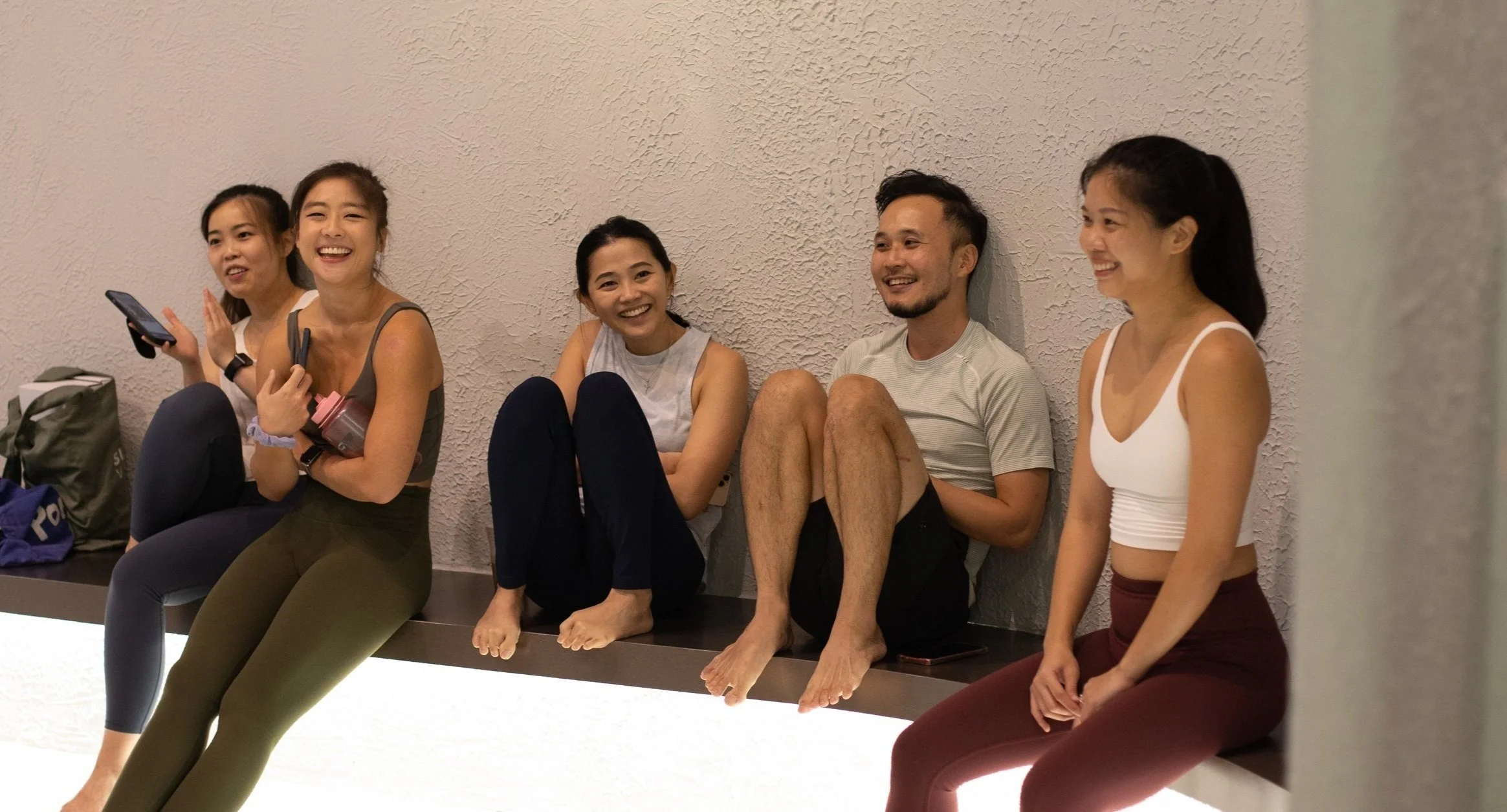
Completing your Yoga Teacher Training (YTT) is a milestone that few forget. After weeks of immersion — studying, practising, reflecting — the moment you receive your certificate feels both fulfilling and a little uncertain. The familiar rhythm of weekends or weekday sessions suddenly ends, leaving space that once felt so full.
Many graduates experience this quiet pause. But this is where growth continues — beyond the classroom, into the reality of teaching, learning, and connecting with others in the wider yoga community.
The Transition from Student to Teacher
The shift from student to teacher doesn’t happen overnight. It’s a gradual process of learning how to share knowledge, manage a class, and connect with people in real time. The early months after graduation can feel like standing at the edge of something big: exciting but unfamiliar.
In Singapore, many teachers begin as freelancers, taking on classes at different studios, gyms, or corporate spaces. It’s a practical way to gain exposure while discovering what kinds of environments feel right for you. The experience you gain teaching across diverse spaces helps you adapt and build confidence.
What you can do:
Start with one or two regular classes each week so you can grow sustainably.
Offer to cover classes for friends or assist senior teachers; both offer valuable insight into classroom flow.
Keep a short reflection log after every class — noting what resonated, what didn’t, and what you’d do differently next time.
At Freedom Yoga, graduates can apply to lead community or studio classes, depending on availability. This provides real-world experience in a supportive environment where mentorship continues even after graduation.
Finding Your Teaching Voice
Once YTT ends, many graduates feel a sudden emptiness where the structure used to be. You’ve spent weeks surrounded by peers, teachers, and constant learning. Then suddenly, you’re on your own again. This in-between space can feel uncertain, but it’s actually a crucial part of the teaching journey.
When you step back into your favourite studio classes, everything looks a little different. You start noticing transitions, breath cues, and how teachers manage the flow of the room. You begin to observe not just as a practitioner, but as an emerging teacher.
Your unique teaching voice develops from these moments of observation and experimentation. Some teachers are naturally calm and grounding, while others bring playfulness and humour. There’s no right or wrong — only authenticity that grows through practice and reflection.
What you can do:
Record your own teaching and review it later; this helps you understand your tone and pacing.
Attend classes with instructors of different styles to learn how others communicate and hold space.
Keep a teaching notebook to capture good cues or creative transitions you come across — small insights that shape your own voice over time.
Read more about how teaching style and personality align in What Makes a Good Yoga Teacher.
Continued Learning and Development
A 200-hour YTT is just the beginning of a lifelong learning process. The fundamentals you’ve built now form the base for deeper study and refinement. The best teachers keep learning long after the certificate is framed.
Teaching regularly helps you stay fluent and connected to the material you’ve learned. But continued study — whether through workshops, immersions, or mentorship — keeps your understanding evolving.
What you can do:
Revisit your old notes or manuals and see how your understanding has changed with experience.
Join workshops or short courses that target areas you want to improve, such as cueing, sequencing, or anatomy.
Continue being a student. Observing experienced teachers from a fresh perspective often reveals new insights into teaching methods and classroom management.
Studios across Singapore offer a range of opportunities to deepen your craft. Revisiting the Asana Immersion at Freedom Yoga is one way to reconnect with your foundation and refine your technique in a guided environment.
When you’re ready to explore more advanced learning, consider a 300-hour training to expand your scope. Read more in 200-hour vs 300-hour YTT: Understanding the Difference.
Choosing the Right Studio
Finding the right place to teach can be just as important as the training itself. In Singapore, where most instructors work freelance, teachers often move between different studios to find the right fit.
Each studio has its own personality — some prioritise technical alignment, others focus on creative sequencing or community connection. The environment you teach in can influence how you grow and what kind of teacher you become.
What you can do:
Reflect on what kind of energy or teaching approach aligns with your values.
Attend classes at studios you’re interested in before applying to teach there to experience their culture firsthand.
When you interview or meet studio managers, ask about mentorship, feedback processes, and opportunities for growth.
Choosing a space that aligns with your values ensures that you’ll be supported in your growth and that your teaching feels meaningful, not transactional.
Building and Sustaining Community
The relationships built during YTT are often some of the most enduring. Your batchmates have shared your challenges, discoveries, and breakthroughs — they’re an invaluable support system long after training ends.
Beyond that, community extends to your students. Every class you teach becomes a shared experience where learning flows both ways. Students give teachers new perspectives, fresh questions, and real-world scenarios that help refine your teaching.
What you can do:
Practise teaching with your batchmates or other graduates. Teaching one another builds confidence and reinforces what you’ve learned.
Encourage open communication with your students. Invite feedback or questions — it strengthens trust and improves your teaching awareness.
Stay involved in alumni networks or studio events to stay connected and inspired.
At Freedom Yoga, graduates remain part of a larger community through alumni sessions, workshops, and collaborative opportunities. Staying connected keeps your practice grounded and evolving.
Final Thoughts
Life after YTT looks different for everyone. Some start teaching right away, while others take time to integrate what they’ve learned before stepping forward. There’s no single path to follow.
What matters most is staying curious, engaged, and authentic. Keep practising, keep teaching, and keep learning — whether that’s through mentorship, community, or personal reflection. The journey of teaching yoga isn’t about perfection but progression.
To explore your next steps, visit our 200-hour Yoga Teacher Training page for upcoming intakes, or read related posts like What Makes a Good Yoga Teacher and 200-hour vs 300-hour YTT.