
What Makes a Good Yoga Teacher?
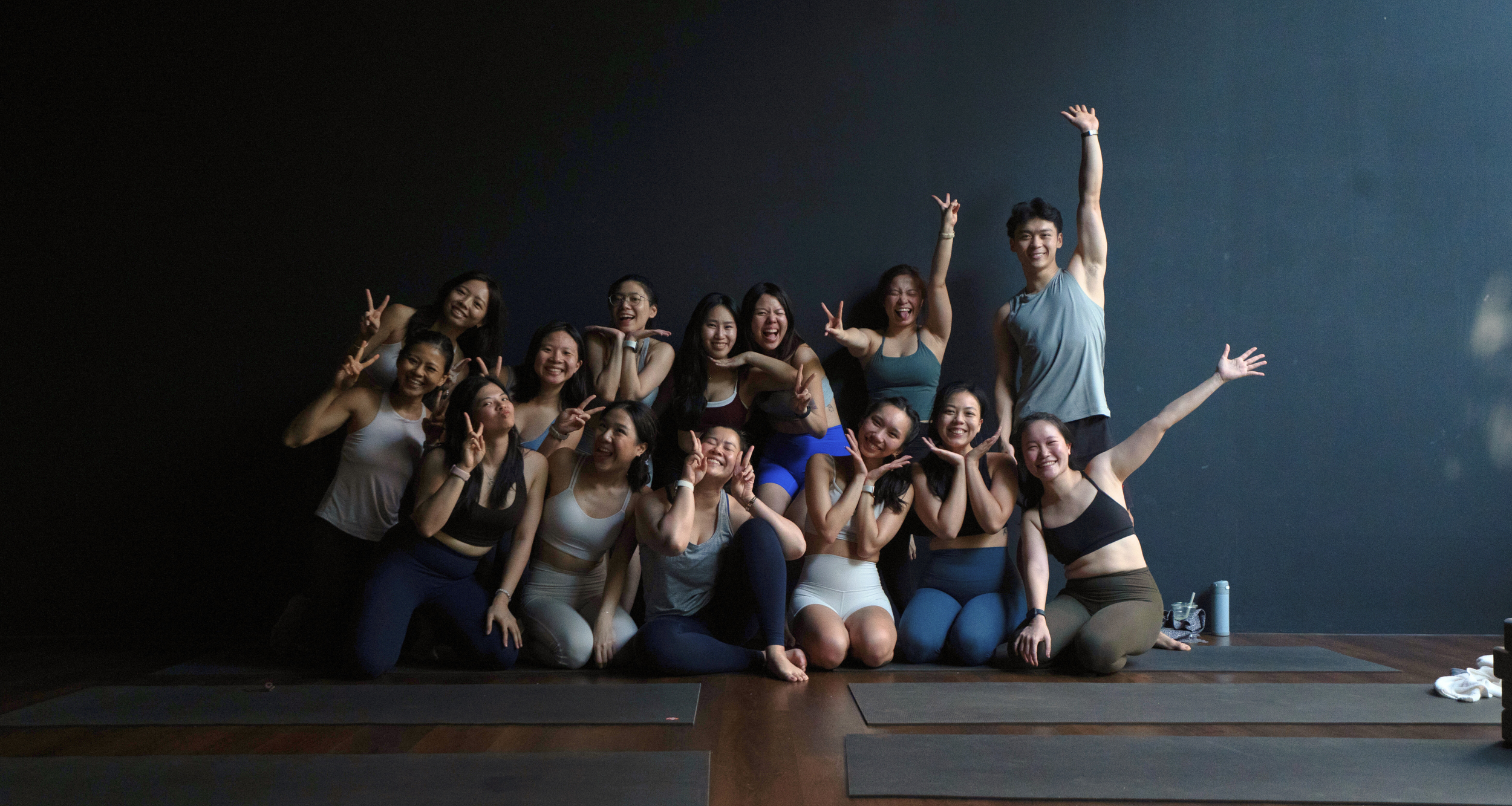
Beyond the Pose: What Defines a Good Yoga Teacher
Ask ten people what makes a good yoga teacher, and you’ll likely hear ten different answers. Some might say it’s about clear instructions; others might highlight warmth or the ability to motivate. In truth, good teaching isn’t a formula — it’s a balance of skill, awareness, and authenticity.
Yoga teachers don’t just lead movement; they hold space. They guide attention, encourage patience, and remind students that growth takes many forms — physical, emotional, and mental.
The Classic Qualities That Build Trust
Every strong yoga teacher begins with a few timeless foundations: clarity, safety, and presence.
A clear teacher communicates sequences and transitions in ways that students can follow without overthinking. This clarity comes not only from knowing the poses but from understanding how the body works — for example, how to cue engagement through stabilising muscles to protect joints, or when to use breath to create space in a movement.
Safety Before Ambition
A good teacher values safety before ambition. “Destroying” your students in class with endless creative transitions or overly complex sequencing doesn’t make you a better instructor. It often just leaves your students exhausted, discouraged, or at risk of injury.
Some new teachers take pride in designing difficult flows to prove their skill or showcase their own practice. But teaching yoga isn’t about performance. The focus belongs to the students, not the teacher.
A strong instructor challenges students in ways that empower rather than overwhelm. The goal isn’t to impress, but to guide with thoughtful, safe sequencing that adapts to the people in front of you.
Presence in the Room
And then there’s presence — the ability to stay attuned to the energy of the space instead of clinging to a fixed plan. A present teacher adjusts based on what they see and sense, recognising when to hold silence, when to motivate, and when to let the class breathe on its own.
The Human Side of Teaching
Technique and knowledge are essential, but what often defines a memorable class is the teacher’s humanity. These are the traits that make a class feel alive and genuine.
A Sense of Humour
A good yoga teacher carries a light sense of humour, especially the self-deprecating kind. Teaching is a people-facing role, and sometimes your mouth works faster than your brain. You might mix up left and right, mispronounce a body part, or have your own “East Coast Plan” moment. Being able to laugh at yourself — and with your students — keeps the atmosphere warm and real.
Creating Freedom, Not Pressure
A great teacher never makes students feel bad for skipping the “advanced” variation. They know yoga isn’t about hierarchy. Choosing to stay in a simpler pose isn’t a sign of limitation; it’s awareness. Students should leave class feeling supported, not compared.
In Love with the Process
Good teachers are in love not just with the practice, but with the process. They find meaning in guiding students through small breakthroughs, steady progress, and quiet focus. That love for the journey keeps their teaching grounded and sincere.
Reading the Room
A skilled teacher can read the room. They know when to push, when to ease off, and when the class simply needs a collective breath. They balance precision with play and structure with softness. This awareness turns a plan into an experience.
Being Everyone’s Cheerleader
Perhaps most importantly, good teachers are natural cheerleaders. They celebrate effort — the small wins, the breakthroughs, and even the pauses. Their encouragement reminds students that yoga isn’t about perfect poses, but about showing up.
Balancing Knowledge with Connection
Good teaching lives at the intersection of technical understanding and emotional connection.
Knowing how the diaphragm contracts to expand chest volume during an inhale, or how stabilisers engage in standing postures, is important. But so is knowing when to offer encouragement or quiet support.
A teacher who balances both becomes someone students trust — skilled, grounded, and real.
Final Thoughts
There’s no single mould for what makes a good yoga teacher. Every instructor brings their own experiences, personality, and heart into their classes. What matters most is intention: to teach with care, curiosity, and the desire to help others grow safely and joyfully.
To learn more about how Freedom Yoga supports aspiring teachers, explore our 200-hour Yoga Teacher Training, or meet the teachers who embody these qualities every day on our About page.